
Vertical
Jewelry & Retail
Product-rich retail sites with Product schema, condition markup, and high-value-item trust signals.
4 live builds in this vertical.
Demo builds
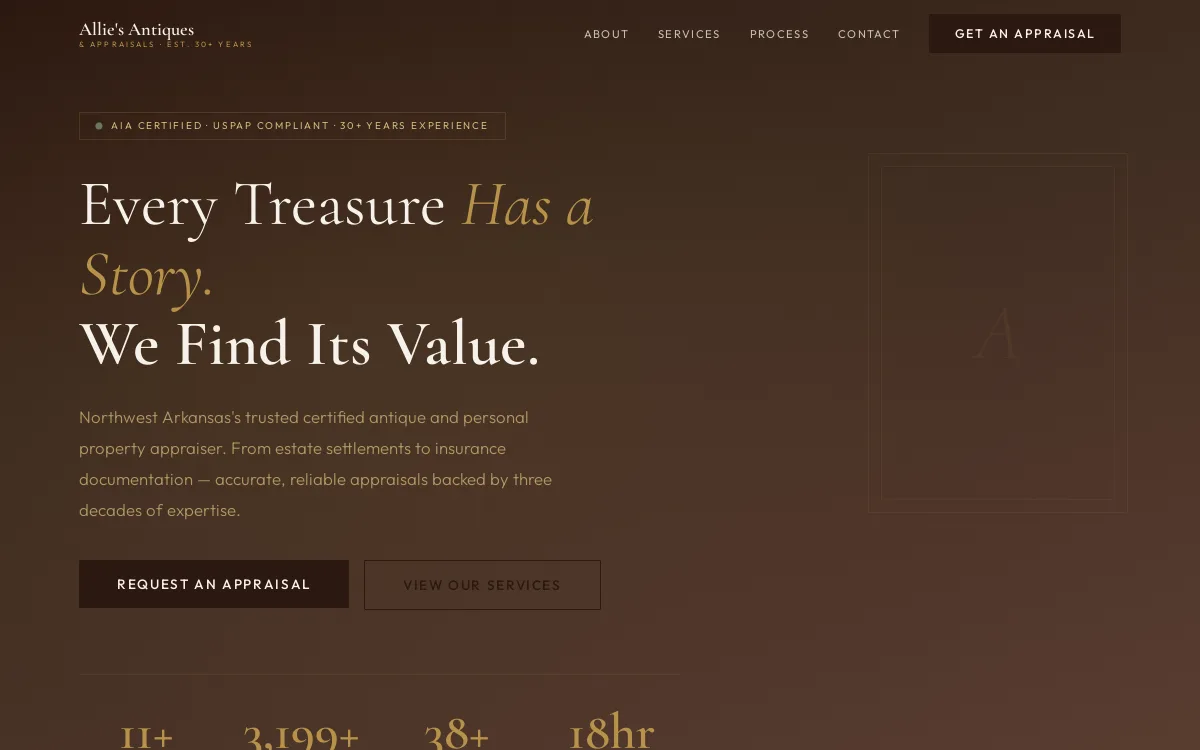


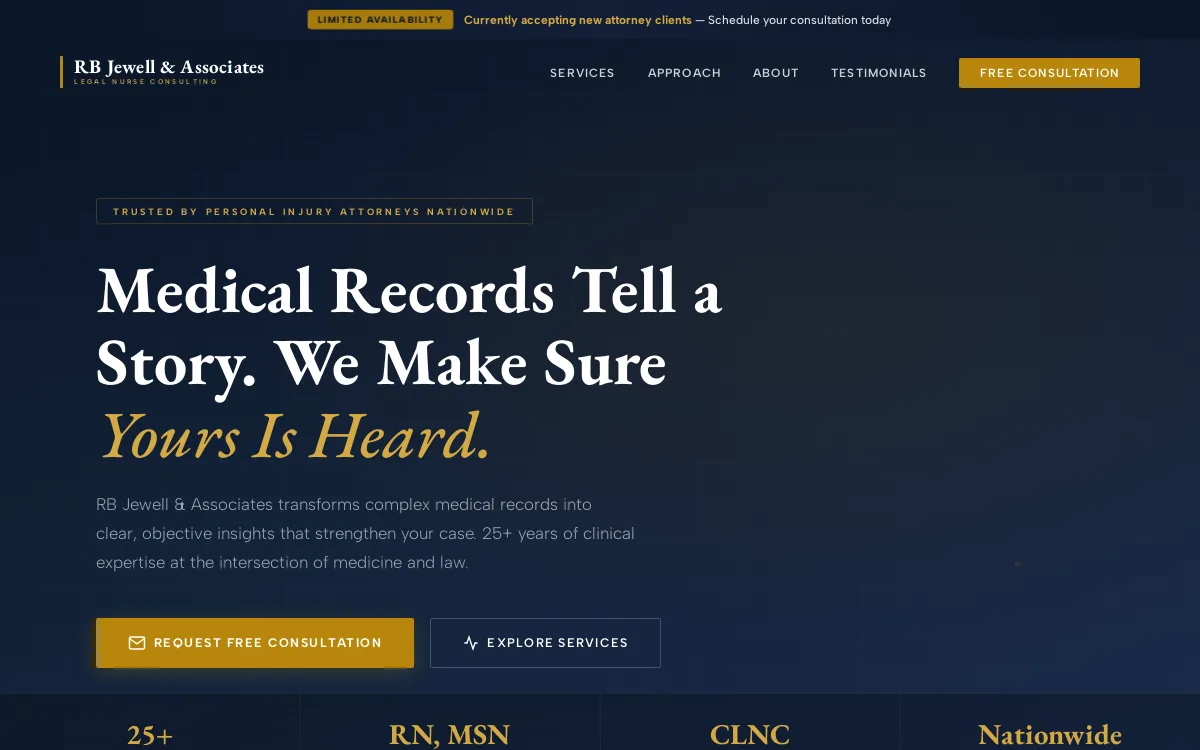
Need a site like these?
Tell us what you're building. We'll match the right pattern.
Start a project →What this vertical needs to rank
Jewelry is a high-consideration, high-trust purchase, and the search behavior reflects that. Shoppers rarely buy a diamond or an estate piece on the first visit. They run long, specific queries first: "1.5 carat lab grown vs natural diamond price," "where to sell gold jewelry near me," "custom engagement ring jeweler [city]," "watch battery replacement same day," or "vintage Rolex appraisal." A jeweler's site has to answer the research query and the local-intent query, because the same person runs both before they ever walk through the door. Pages that only show a hero image and a phone number get skipped by the people doing the homework.
The schema that fits this vertical is more layered than most local trades. A retail jeweler is a LocalBusiness (often a JewelryStore type) with geo coordinates, hours, and an areaServed, but the inventory and made-to-order work need Product and Offer markup with priceCurrency, availability, and condition. Estate, antique, and pre-owned pieces specifically benefit from itemCondition (UsedCondition vs NewCondition) so Google and AI engines can distinguish a new band from a restored heirloom. Appraisal, repair, sizing, and custom-design work belong in Service entities, and a well-built FAQPage answering the recurring "how much does it cost / how long does it take / do you buy gold" questions is what gets pulled into AI Overviews and featured snippets. For a bridal-heavy jeweler, layering Review and AggregateRating onto products is the difference between a thumbnail and a rich result.
Trust signals carry unusual weight here because the dollar amounts are high and the products are easy to misrepresent. The things that actually move a jewelry buyer are GIA or IGI certification language, return and warranty policies stated in plain text, conflict-free and recycled-metal sourcing claims, financing options, in-house bench and certified-appraiser credentials, and physical-store proof: a real address, real storefront photos, and an embedded Google Business Profile map. Years in business and family-owned history matter to this buyer in a way they do not for most retail. All of that needs to be crawlable text, not baked into images, or neither Google nor an AI answer engine can quote it.
Jewelry sites fail to rank for a small set of repeatable reasons. The big one is images: a visual product photographed beautifully but shipped as heavy, unlabeled, lazy-broken files, so the page is slow, has no alt text, and is invisible to image and visual search even though imagery is the entire point. The second is templated product pages with no unique copy, identical descriptions copied from a manufacturer feed, which Google treats as thin and duplicate. The third is platform drift, where a Shopify or Squarespace theme generates faceted-filter URLs, duplicate collection paths, and parameter sprawl that burns crawl budget. And the fourth is the gallery-only homepage with no indexable text about the actual services, brands carried, or city served, so the business never ranks for the local and product queries its customers are typing.
- Product and Offer schema with priceCurrency, availability, and itemCondition so new, custom, and estate pieces are distinguishable in results.
- LocalBusiness (JewelryStore) markup with geo, hours, and an embedded Google Business Profile for showroom and "near me" discovery.
- Compressed, descriptively alt-tagged, well-named product imagery built to surface in Google Images, Lens, and visual search.
- Service entities for custom design, repair, sizing, and appraisal, each with its own indexable page rather than one buried services list.
- Plain-text trust copy: certification (GIA/IGI), warranty and return terms, financing, sourcing, and certified-appraiser credentials.
- A clean URL and faceted-navigation strategy so collection filters and parameters do not create duplicate, crawl-wasting pages.
Related playbooks: Ecommerce SEO for product and collection pages, Image SEO for compression, alt text, and image sitemaps, Visual search optimization for Google Lens and "find this ring" intent, Local SEO for showroom and "near me" discovery, and Trust signal architecture for high-value purchases.
Frequently asked questions
My jewelry photos look great but the site is slow and never shows up in Google Images. What is wrong?
Almost always it is the images themselves. High-resolution studio photos exported straight from a camera or a designer's library are often several megabytes each, served at full size and lazy-loaded incorrectly, which tanks Core Web Vitals and leaves the page heavy. On top of that, jewelry images frequently ship with no descriptive file names and no alt text, so Google Images, Lens, and visual search have nothing to index. The fix is to compress and correctly size every product image, give each a descriptive file name and alt attribute (metal, stone, style, not "IMG_4821"), and publish an image sitemap. Imagery is the entire selling point of a jewelry site, so it has to be fast and machine-readable, not just pretty.
How do I rank for both local searches like "jeweler near me" and research searches like "lab grown vs natural diamond"?
They are two different jobs and you need pages for both. Local intent is won with a strong Google Business Profile, LocalBusiness (JewelryStore) schema carrying your geo coordinates and hours, an embedded map, consistent name-address-phone details, and city-specific service pages. Research intent is won with genuinely useful content pages that answer the comparison and how-to questions buyers ask before they spend money, such as diamond shopping guides, ring-sizing help, and care instructions. The same customer runs both queries during one purchase decision, so a site that only does one of the two loses them somewhere in the funnel.
Do I need different markup for new pieces versus estate, vintage, or pre-owned jewelry?
Yes, and it matters more in jewelry than in most retail. Use Product and Offer schema on every item, and set itemCondition correctly: NewCondition for current inventory and custom builds, UsedCondition or RefurbishedCondition for estate and restored pieces. This lets Google and AI answer engines tell a brand-new band apart from a restored heirloom and helps the right listings surface for "vintage," "estate," and "pre-owned" queries. Pair condition with availability, priceCurrency, and, where you have them, Review and AggregateRating so the listing can earn a rich result rather than a plain blue link.
What trust signals actually convince someone to buy a high-priced ring from my website?
For a purchase this size and this easy to misrepresent, buyers look for proof before they commit. The signals that carry weight are stated certification (GIA or IGI), a clear return and warranty policy written in plain text, financing options, sourcing transparency such as conflict-free or recycled metals, certified-appraiser and in-house bench credentials, and unmistakable evidence that you are a real physical store: a real address, storefront photos, and an embedded Google map. Years in business and family ownership also reassure this buyer more than they would in most retail categories. Every one of those signals has to live in crawlable text, because if Google and the AI engines cannot read it, they cannot quote it back to a shopper who is comparing you against the jeweler down the street.