
Vertical
Bakery & Food
Food business sites with menu schema, allergy-aware product pages, and visual conversion focus.
9 live builds in this vertical.
Demo builds
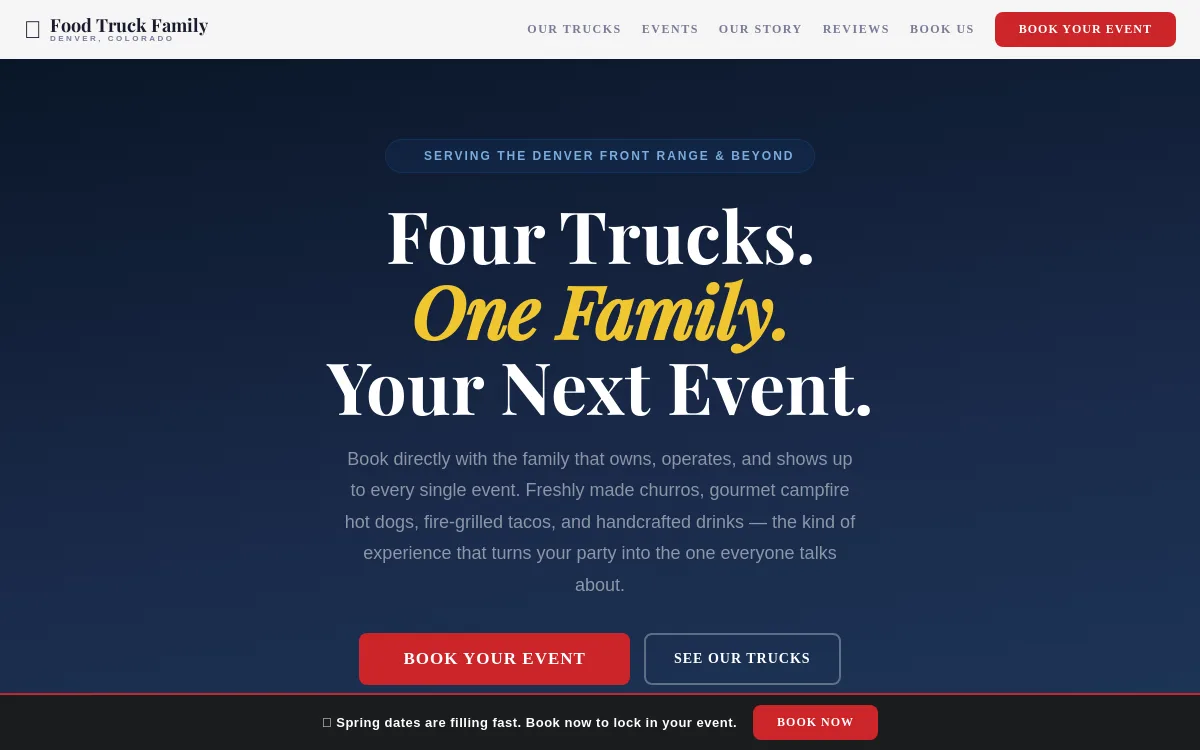
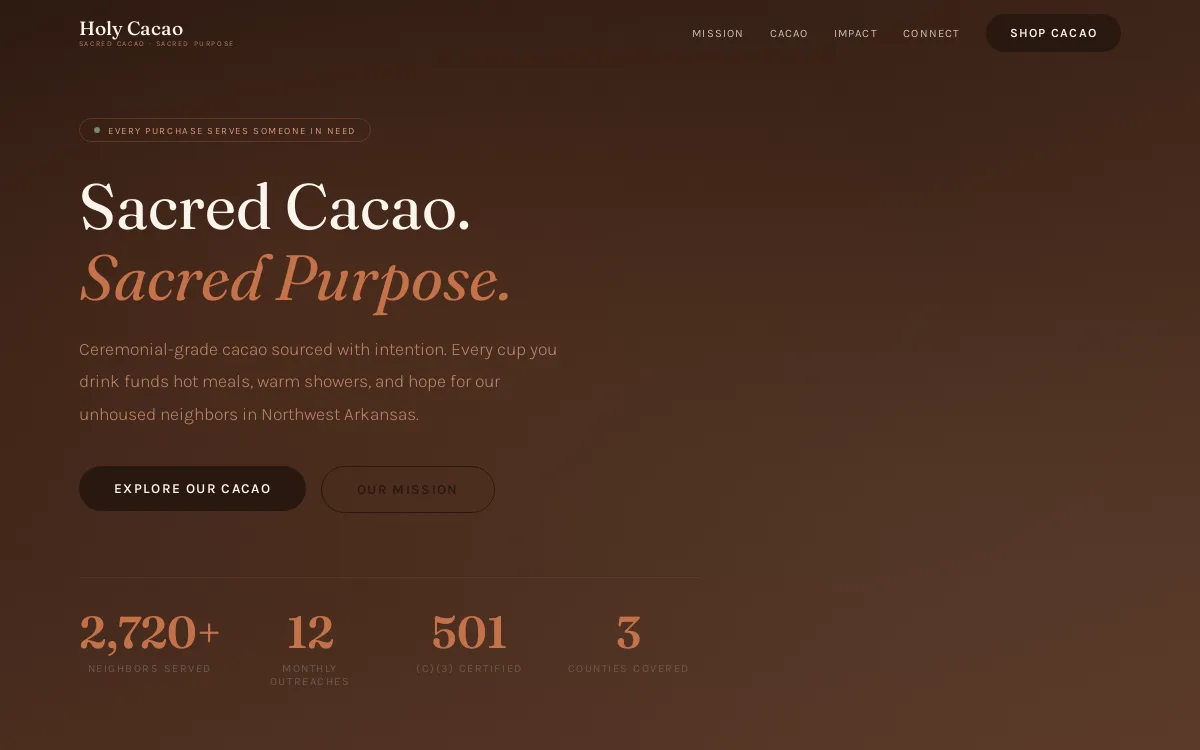
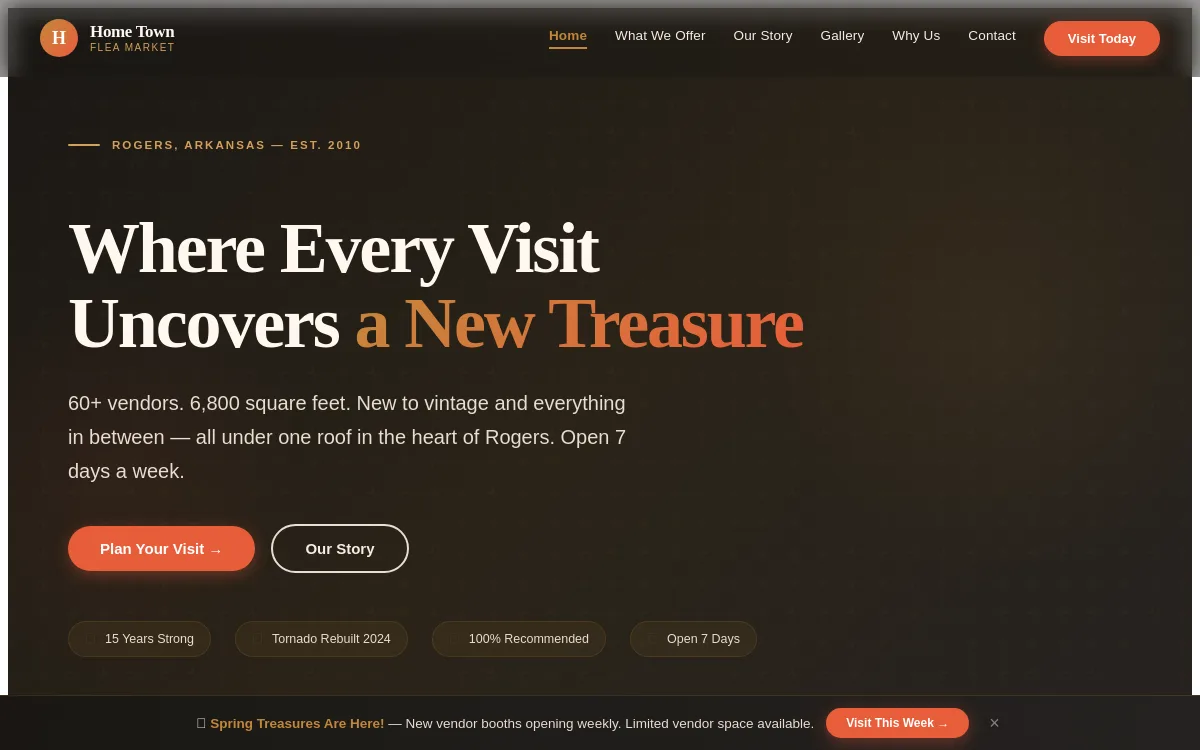
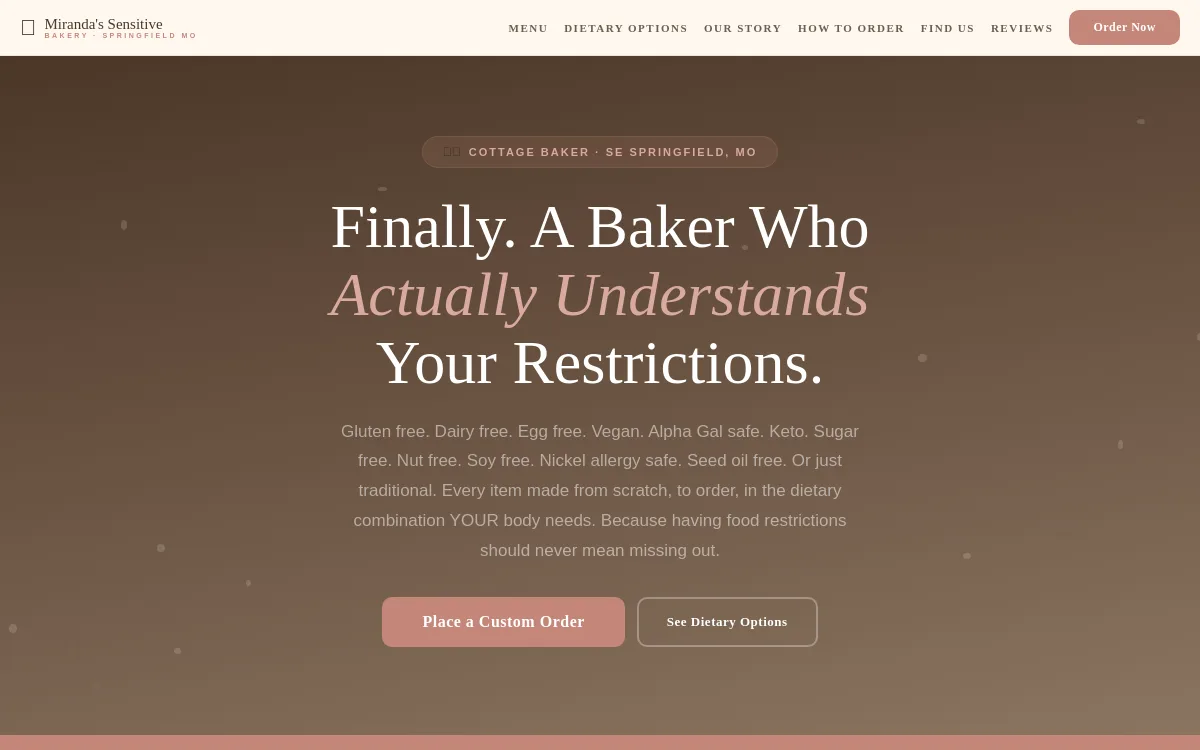
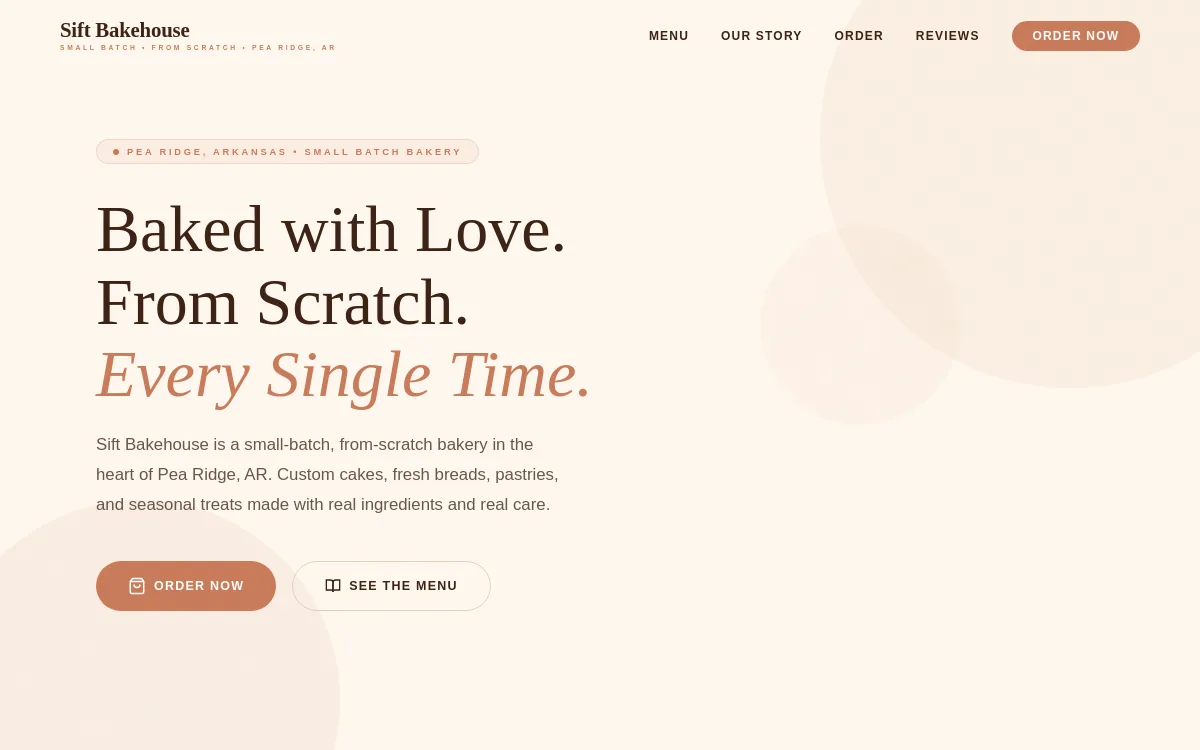
Need a site like these?
Tell us what you're building. We'll match the right pattern.
Start a project →What this vertical needs to rank
Most bakery and food searches are decided before anyone reads a paragraph. People type “bakery near me open now,” “gluten free birthday cake [city],” “custom cookies for a baby shower,” or “food truck for hire [date]” — and they judge the result on a photo, a price hint, and whether the place is clearly open and reachable today. A food site ranks when it answers those high-intent questions in crawlable text and structured data, not when it hides hours, menu, and lead times behind a slow gallery or a Facebook-only presence. The hardest part of this vertical is that the most persuasive content is visual, and search engines still need words, names, prices, and dates they can read.
The schema that actually fits depends on what the business sells. A storefront bakery or cafe is a LocalBusiness/Bakery entity with openingHoursSpecification, geo, and a Menu or hasMenu reference so individual items become eligible for rich results. A shop that ships nationally — microgreens, single-origin chocolate, packaged goods — needs Product with Offer, real availability, and shipping facts, the same structured-data spine that powers ecommerce listings. Custom and made-to-order work (cakes, catering, food trucks) reads best as a Service with an FAQPage covering lead time, deposits, delivery radius, and what a quote includes. Allergen and dietary detail belongs in the body text and in item descriptions where both shoppers and AI answer engines can quote it verbatim.
Trust in food is specific and unforgiving. Buyers want to see allergen handling and cross-contamination practices stated plainly, ingredient and sourcing notes, cottage-food or health-permit status where it applies, current hours and a phone number that works, and recent reviews tied to the actual business. For allergen-sensitive customers, vague language is a dealbreaker — a page that clearly says what a kitchen does and does not handle converts better and earns the citation in an AI answer than one that hedges. Photography has to be the business’s own, sized and compressed so it loads fast on a phone in a parking lot, with descriptive alt text and filenames so the images themselves become a discovery channel.
Food sites usually fail to rank for a short list of reasons: the menu lives in a flat PDF or an embedded image with no readable text; the entire site is one long scroll with no indexable pages for “wedding cakes,” “catering,” or “gluten free” to land on; hours, lead times, and prices are missing so the page never matches a buying query; oversized hero photos tank Core Web Vitals on mobile; and the real activity happens on a social profile the business doesn’t own, leaving Google and AI engines with almost nothing to read. Fixing those is mostly structural — give each offering its own page, put the facts in text and schema, and let the photos do their job without breaking the load.
Related playbooks: the local SEO framework for hours, geo, and map-pack visibility; schema types for 2026 for choosing between LocalBusiness, Menu, Product, and Service markup; the image SEO playbook for making food photography fast and findable; ecommerce SEO for shops that ship packaged goods; and the trust signals framework for surfacing allergen, sourcing, and review credibility.
Frequently asked questions
Why isn’t my bakery showing up for “near me” searches?
“Near me” results lean heavily on local signals a website has to reinforce: a consistent name, address, and phone number, accurate openingHoursSpecification, and geo coordinates in your LocalBusiness or Bakery schema, all matching your Google Business Profile. If your hours and address only live as plain text in a footer — or differ between your site and your profile — Google has weaker grounds to place you in the map pack. We make sure the site states the facts in readable text and machine-readable schema, and that they agree with the profile you actually own.
My menu is a PDF or an image. Does that hurt my ranking?
Yes, usually. A menu locked inside a PDF or a flat image is hard for search engines to read and impossible to mark up as individual items, so you miss queries for specific products like “sourdough,” “vegan cupcakes,” or “kolaches.” A menu built as real HTML text — ideally with Menu or Product schema on the items — lets each thing you sell become its own searchable, quotable fact. It also helps AI answer engines, which pull from readable text far more reliably than from an image they have to interpret.
I sell allergen-friendly products. How do I get found for that?
Be specific in text, not just in branding. Spell out what your kitchen does and does not handle, your cross-contamination practices, and which items are gluten free, nut free, vegan, or dairy free — in the body copy and in each item’s description, not buried in an image. That precise language is what matches searches like “nut free bakery [city]” and what AI assistants quote when someone asks for a safe option. Clear, honest allergen detail is both a trust signal and a ranking signal, and it converts the customers who care most.
I ship products nationally instead of running a storefront. Is my SEO different?
It is. A shipping business — packaged goods, chocolate, microgreens, specialty pantry items — is closer to ecommerce than to a local storefront. Each product needs its own page with Product and Offer schema, accurate availability, and clear shipping and lead-time facts, and the site competes on product and category queries nationwide rather than on “near me.” If you do both — a local kitchen that also ships — you want LocalBusiness signals for the storefront and Product pages for what you mail, so each side can rank for the way customers actually look for it.